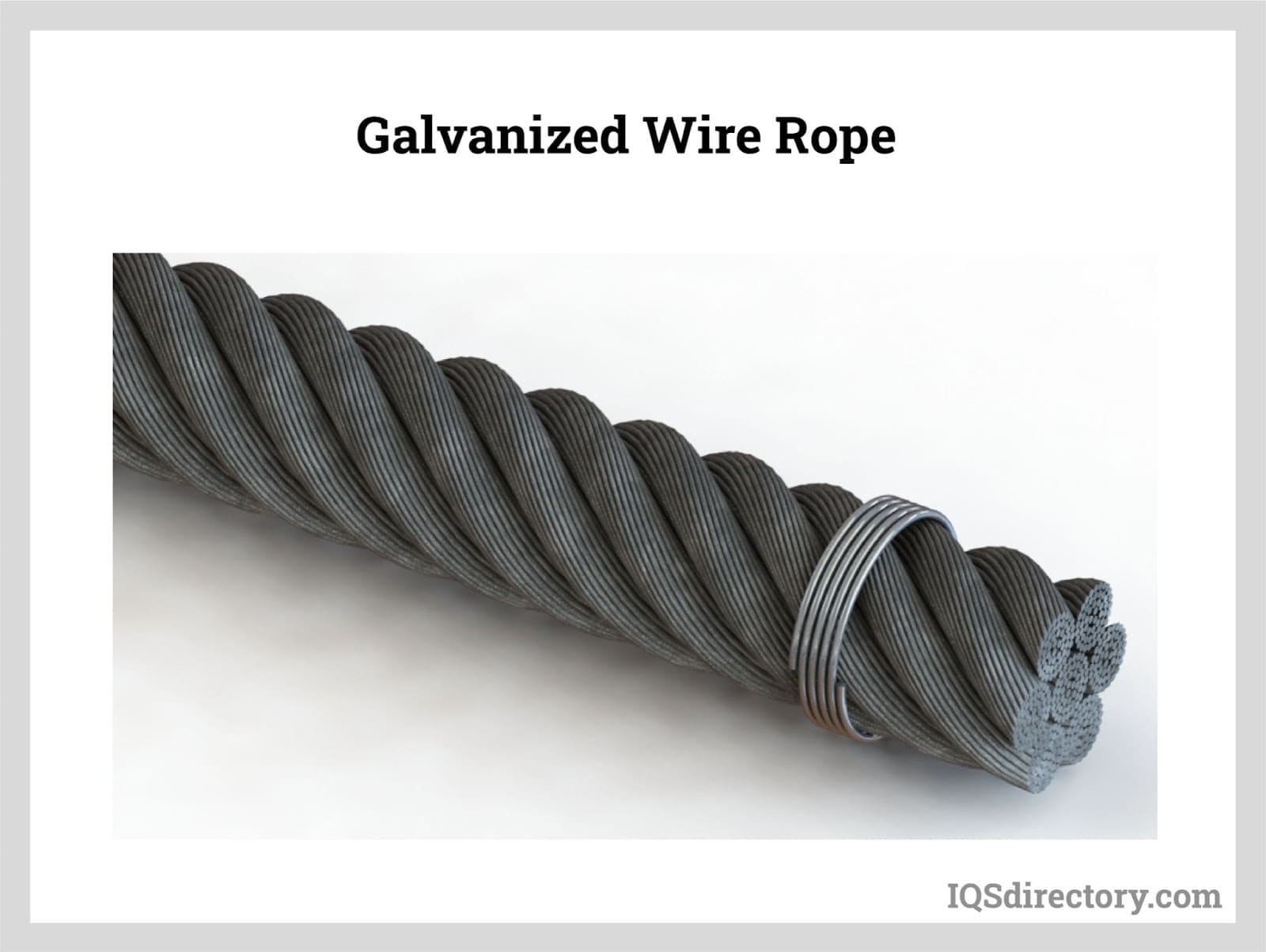
A control cable is a wire rope. Developed in the 19th century, control cables include everything from the cables used in suspension bridges to the smaller strands that give the brims of women’s hats their shape. Since the beginning of aviation, control cable has been a mainstay due to its numerous useful functions, which include transmitting a control input around a corner and bracing a wooden wing. It is also lightweight, dependable, affordable, and versatile. Read More…
As leading innovative wire rope manufacturers, Bergen Cable Technology has been providing engineering assistance for well over half a century, helping customers develop cost effective, durable solutions.

Lexco is an ISO:9001 manufacturer of wire rope, cable, and bungee cord assemblies; and push-pull controls. Our in-house capabilities range from swaging and extrusions to die-casting, proof-loading, and CNC machining. Lexco Cable is proud to serve a diverse set of markets including military, aerospace, OEM, MRO, marine, architectural, and more. Contact us today.
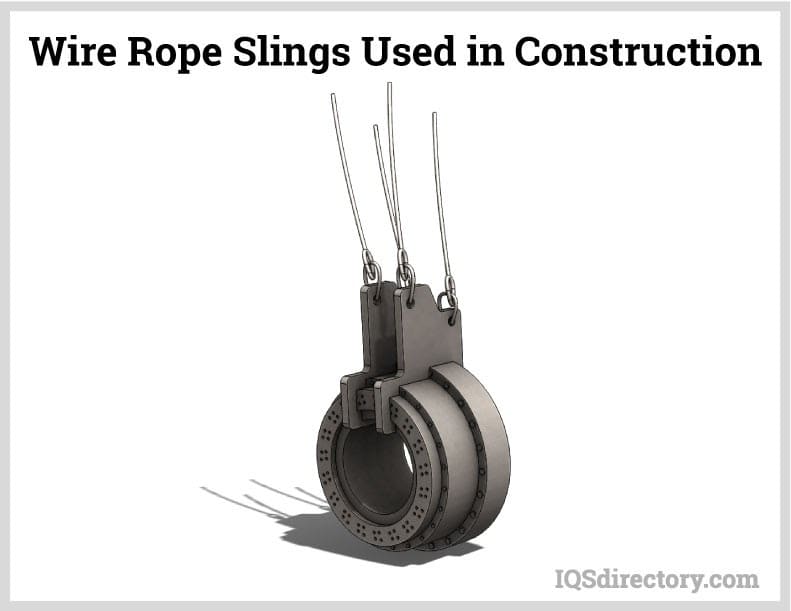
At Kennedy Wire Rope & Sling Company, we take pride in being a trusted source for high-performance wire ropes that keep industries moving safely and efficiently. We engineer and supply wire rope solutions that meet the rigorous demands of lifting, rigging, and load-handling applications across construction, marine, energy, and industrial markets.
Aero Assemblies, Incorporated strives to make every effort, as dedicated wire rope manufacturers, to maximize product value throughout the manufacturing process.

At Zauderer Associates, Inc., we specialize in providing high-quality wire rope solutions designed for durability, safety, and reliability across diverse industries. With extensive experience and technical expertise, we offer a comprehensive range of wire ropes tailored to meet rigorous performance requirements.




More Control Cable Manufacturers
Control Cables: Comprehensive Guide to Types, Applications, and Selection Criteria
Control cables are specialized mechanical motion transmission cables designed to efficiently transfer the operator’s signal or movement to a designated control point. These critical components are widely used in a variety of industries and applications, providing precise control, reliability, and adaptability. Whether you are seeking robust industrial control cables for heavy machinery, or flexible motion transfer cables for automotive, aerospace, or medical devices, understanding the fundamentals of control cables can help you make an informed purchasing decision and ensure optimal performance in your application.
Key Features and Requirements of Control Cables
Due to the demanding environments and specific operational requirements, high-quality control cables must possess several vital characteristics. Choosing the right control cable ensures not only the smooth operation of your equipment but also longevity and safety in critical systems. Control cables must be:
- Accurate in action – Ensuring the precise transfer of operator input to the controlled device or actuator.
- Durable and environment-resistant – Built to withstand sub-zero temperatures, corrosive industrial atmospheres, exposure to dirt, dust, moisture, and even submersion in oil or water.
- Easy to install and maintain – Designed for simple mounting and removal, even in tight or complex spaces, reducing downtime and labor costs.
- Flexible and adaptable – Retaining flexibility throughout their service life, allowing for recalibration or modification as system requirements change.
- Compliant with relevant standards – Meeting industry-specific certifications and regulations such as ISO, UL, CE, RoHS, or MIL-SPEC, depending on use case.
Types of Control Cable Operation
To meet the diverse needs of modern industries, control cables are engineered using a range of materials, construction methods, and design variations. The primary operational categories are based on their mechanical function:
- Push-Pull Control Cables
- Pull-Pull Control Cables
Push-Pull Control Cables
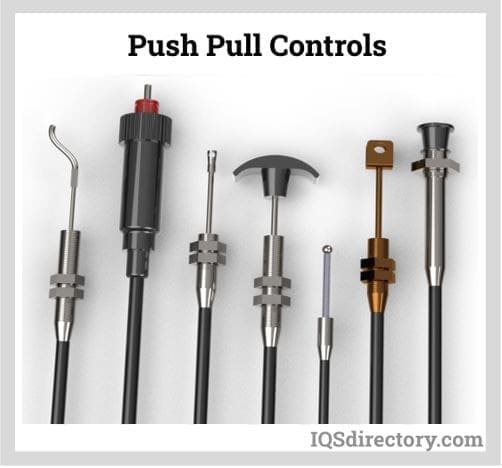
Push-pull control cables are designed to transmit linear motion in both directions, allowing the operator to push or pull a mechanism from a remote location. These cables consist of a core that is capable of withstanding both compression (push) and tension (pull) forces, making them ideal for applications where bi-directional control is essential. Typical use cases include throttle controls, gear shifters, brake actuation, and remote valve operation. Push-pull cables utilize solid wire cores at their ends to minimize the need for additional fittings, and their end fittings can be customized for virtually any configuration. To maximize cable lifespan and avoid permanent deformation, ensure wide bend radii and straightforward routing in your cable installation.

Common industries that rely on push-pull control cables include:
- Agricultural equipment (tractors, combines, harvesters)
- Marine control systems (outboard and inboard boat throttles, steering, and shift controls)
- Automotive and off-road vehicles (gear selectors, hood releases, seat adjusters)
- Industrial automation (robotic arms, material handling)
- Medical devices (hospital beds, surgical equipment)
Pull-Pull Control Cables
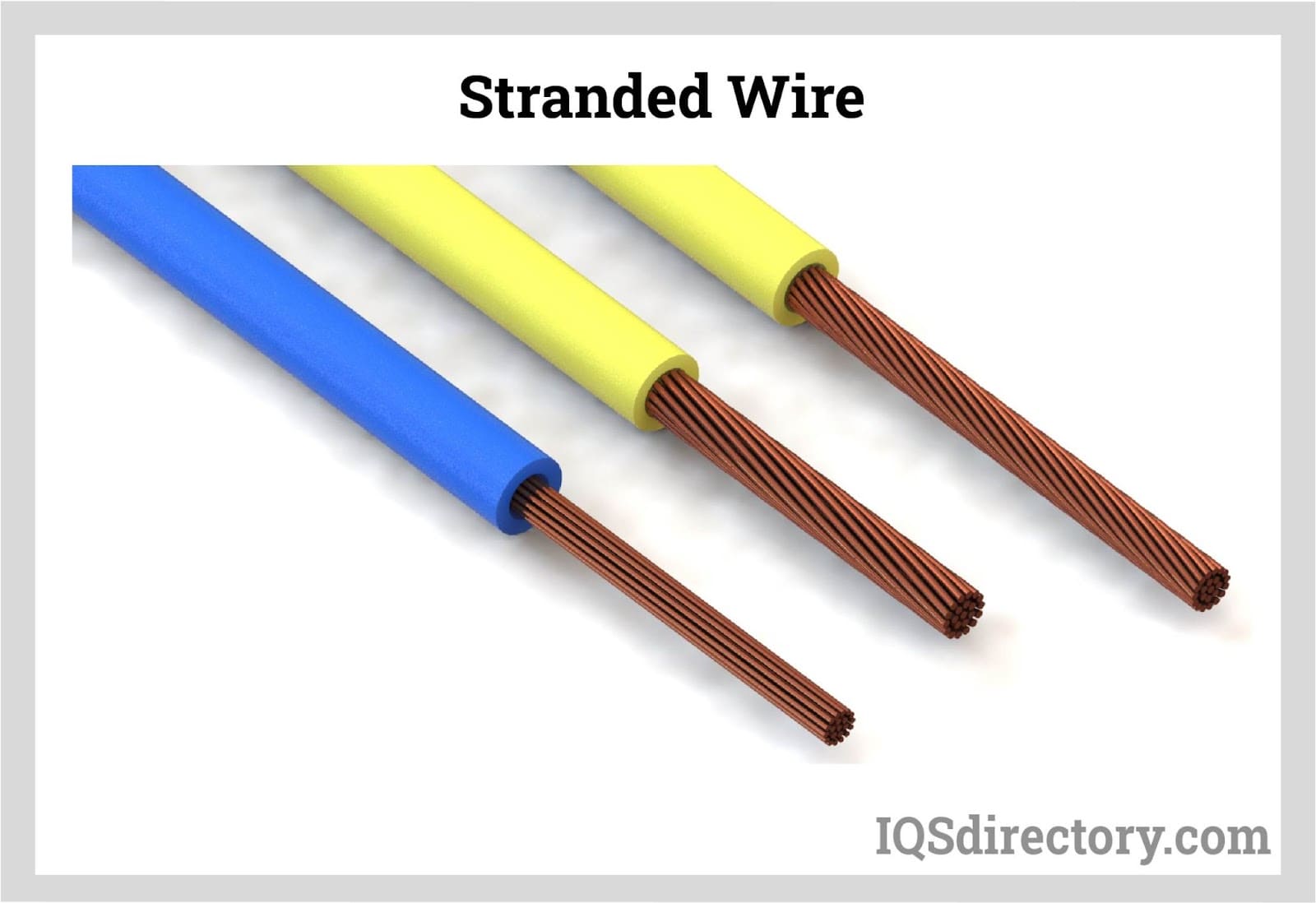
Pull-pull control cables transmit force exclusively in tension. The operator applies a pulling force in one direction and, typically, a spring or counterweight mechanism returns the cable to its neutral or rest position. These cables are ideal for single-direction actuations, such as brake releases, throttle controls, and emergency stop systems. Their stranded core construction provides added flexibility and fatigue resistance, especially in applications with frequent cycling or smaller bend radii.
Typical pull-pull cable applications include:
- Bicycle and motorcycle brakes
- Elevator and lift controls
- Aircraft flight control surfaces
- HVAC damper actuators
- Emergency release systems
Control Cable Manufacturing Process
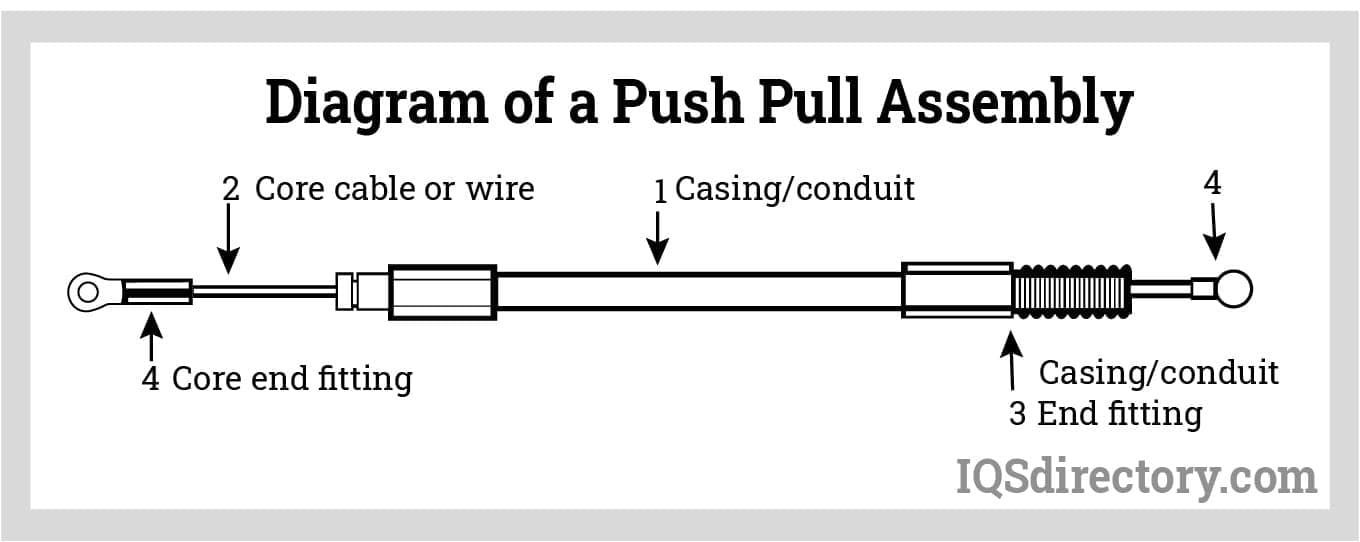
Understanding how control cables are engineered and manufactured can help buyers and engineers select the optimal cable for their specific use case, balancing performance, reliability, and cost. Let’s break down the key components of a control cable assembly:
- Conduit
- Core Cable
- End Fittings (Bulkhead & Core Fittings)
Conduit: The Cable’s Protective Pathway
The conduit is the outer sleeve or casing that guides and protects the core cable as it travels from the operator’s input to the controlled mechanism. The conduit maintains the cable’s routing through complex, non-linear paths, helps prevent kinking, and shields the core from environmental hazards. High-quality conduits can:
- Extend service life by reducing cable wear and friction
- Ensure accurate, repeatable motion transmission
- Provide a smooth, padded travel route for the core
- Block contaminants (dust, dirt, moisture, chemicals) from entering the assembly
- Resist corrosion, abrasion, and impact
Conduits are often comprised of three layers:
- Liner – The innermost layer, providing a low-friction surface for the core cable’s movement (often made from PTFE/Teflon or nylon).
- Wrap – A middle layer that delivers strength, flexibility, and crush resistance; common materials include steel wire, polymer braids, or helical windings.
- Jacket – The outermost protective sheath, customized for environmental resistance (options include PVC, polyurethane, or stainless steel for harsh conditions).
Depending on the installation environment and application requirements, the main conduit types are:
- Braided Conduit – Superior flexibility and resistance to kinking, ideal for dynamic or tight routing scenarios.
- Bowden Conduit – Traditional design with spiral steel wire reinforcement for bicycle, motorcycle, and automotive use.
- Long Lay Conduit – Optimized for extended runs and minimum internal friction, reducing operator effort in long cable applications.
End Fittings: Bulkhead and Core Fittings
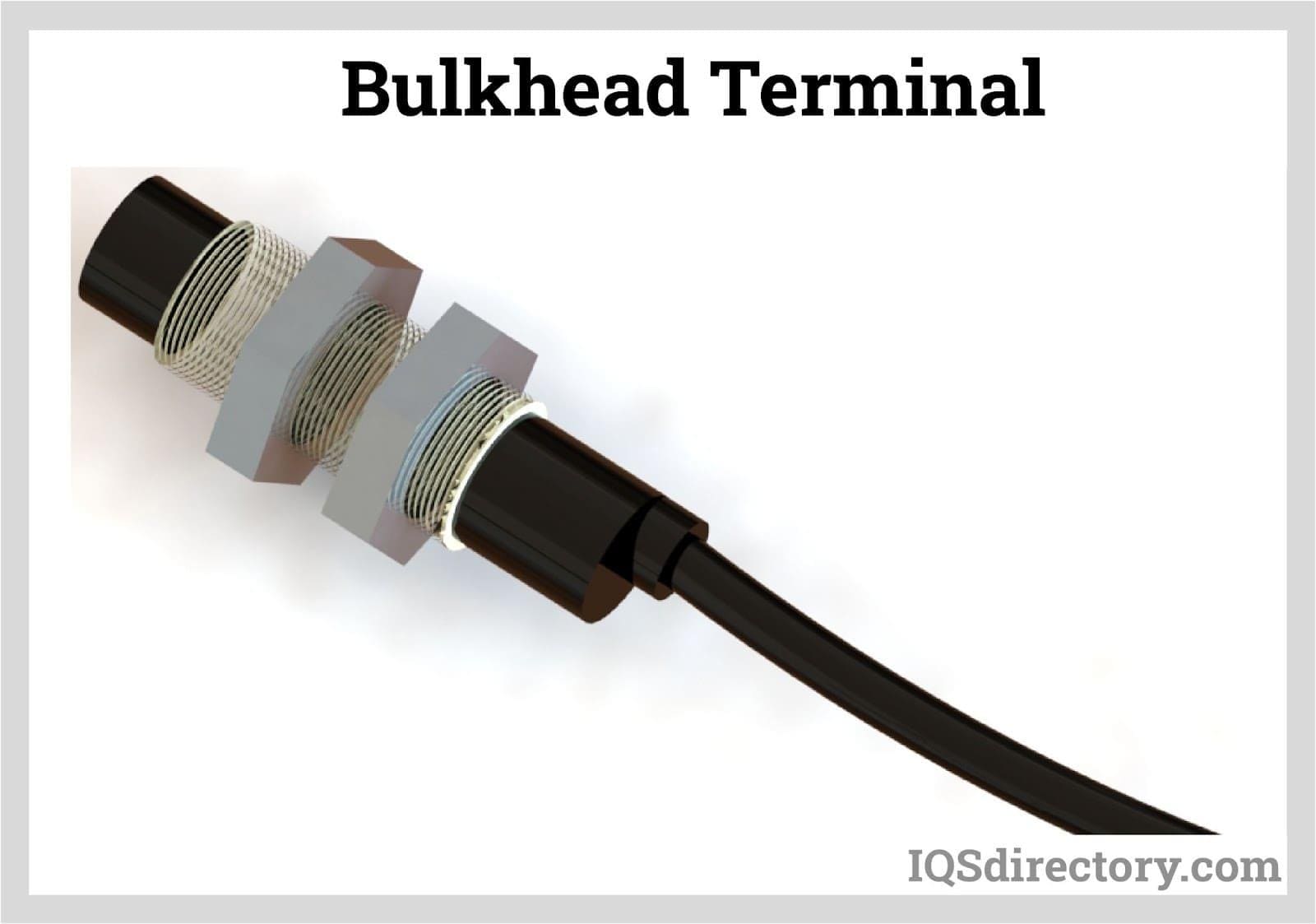
End fittings (also called bulkhead fittings, core fittings, or terminals) are critical to effective load transfer and precise movement. These components connect the cable’s ends to the operator’s lever, knob, or actuator and the controlled device (e.g., carburetor, brake, or throttle). Proper selection and customization of end fittings ensure secure installation, minimize backlash, and accommodate varied attachment requirements. Factors influencing end fitting selection include:
- Type of cable action (push-pull, pull-pull, or hybrid)
- Cable length and routing constraints
- Required load capacity and safety margins
- Environmental exposure (corrosive, high-temperature, vibration-prone settings)
- Industry standards and certifications
Core Cable: The Heart of Motion Transfer
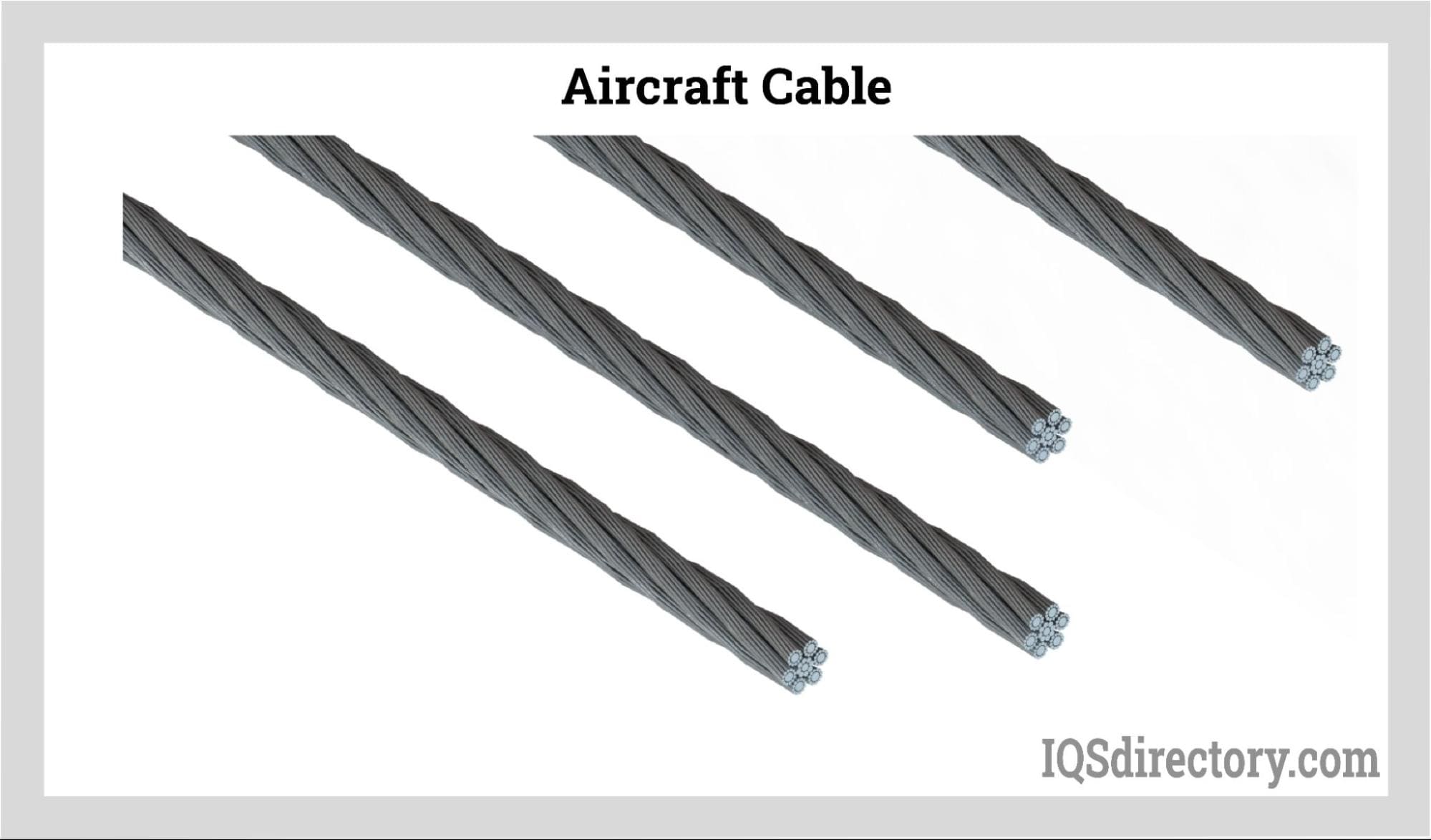
The core cable is the functional element that physically transmits motion or force from the operator to the controlled device. The core’s construction varies based on the type of operation:
- Solid wire cores – Preferred for push-pull cables due to high resistance to buckling in compression, delivering crisp, reliable actuation in both directions.
- Stranded wire cores – Essential for pull-pull cables, providing superior flexibility, fatigue resistance, and endurance for repetitive cycling and tight bends.
Material choices for core cables include galvanized steel, stainless steel (for corrosion resistance), and specialty alloys for extreme environments. Precise engineering of the core’s diameter, lay, and pre-stressing are vital to achieving the desired balance of strength, flexibility, and responsiveness.
Control Cable Applications: Industry Use Cases and Solutions
Control cables are integral to many sectors, where they enable safety, convenience, and automation. Their adaptability, ease of routing, and minimal maintenance requirements have led to widespread adoption in:
- ATVs and recreational vehicles – Gear selection, throttle, brake, and steering controls.
- Utility vehicles – Remote actuation of dump beds, tailgates, and equipment attachments.
- Wheelchairs and mobility devices – Adjustable seating, brakes, and drive controls.
- Construction equipment – Loader arms, bucket controls, and safety interlocks.
- Outdoor power equipment – Lawn mowers, snow blowers, trimmers (throttle, choke, blade engagement).
- Medical equipment – Hospital bed positioning, imaging system adjustments, and surgical robotics.
- HVAC systems – Damper and valve actuation, zone control, and fire safety systems.
- Fixed wing and rotary aircraft – Flight controls, flaps, landing gear, and engine management.
- Industrial automation – Conveyor actuation, robotic arms, and safety interlocks.
- Marine and boating – Steering, throttle, and trim tab control for both pleasure and commercial vessels.
Looking for a control cable for a specific industry? Ask: What are the best control cable solutions for marine, aerospace, or medical applications? Or, Which control cable types are recommended for high-temperature or corrosive industrial environments?
Benefits of High-Quality Control Cables
Investing in premium custom control cables or selecting the optimal off-the-shelf solution delivers substantial value:
- Precision and responsiveness – Smooth, low-lag motion transfer, crucial for safety and operator comfort.
- Long service life – Engineered for thousands to millions of cycles without degradation.
- Minimal maintenance – Advanced materials and coatings reduce lubrication needs and resist contamination.
- Design flexibility – Custom lengths, end fittings, and specialized conduit options enable integration into any system layout.
- Enhanced safety – Reliable operation in mission-critical settings, from aviation to medical devices.
Interested in maximizing cable lifespan? Search: How do I choose the most durable control cable for my application? Or, What maintenance practices extend the life of industrial control cables?
Control Cable Maintenance: Ensuring Reliability and Safety
Proper maintenance is essential to ensure performance and prevent unexpected failures. Follow these best practices for control cable upkeep:
- Keep cables clean – Remove dust and dirt from cable interstices, as abrasive particles can accelerate wire wear and fraying.
- Avoid harsh solvents – Never use solvents that strip away internal lubricants; instead, wipe down cables with a clean, lint-free rag.
- Inspect regularly – Especially in critical applications (e.g., aviation, medical), visually and physically check for fraying, broken strands, or corrosion. Run a gloved hand along the cable to detect hidden damage.
- Monitor tension and routing – Ensure cables are not overly taut, kinked, or exposed to sharp bends that can cause premature failure.
- Lubricate as specified – Apply manufacturer-recommended lubricants at scheduled intervals to maintain smooth operation and reduce internal friction.
- Replace when necessary – If any symptoms of deterioration are found, replace the cable promptly to avoid catastrophic failure.
Need step-by-step instructions? Ask: How do I inspect and maintain push-pull or pull-pull control cables? Or, What are the signs of control cable failure in industrial or transportation systems?
Buyer’s Guide: How to Choose the Best Control Cable
Choosing the right control cable is a critical step in ensuring your project’s success. Consider these key decision factors when evaluating manufacturers and products:
- Application requirements – Define the mechanical loads, cycle frequency, and environmental conditions.
- Type of motion – Determine if you require push-pull, pull-pull, or a hybrid cable for your mechanism.
- Material selection – Match conduit and core materials with exposure to chemicals, temperature extremes, UV, or moisture.
- Customization needs – Assess whether you need custom cable lengths, unique end fittings, or specialized conduit configurations.
- Industry standards – Ensure compliance with any regulatory or certification requirements (e.g., medical, aerospace, military).
- Supplier expertise – Select a manufacturer with a proven track record in your industry and the ability to provide technical support, prototyping, and rapid delivery.
Still unsure? Explore: What questions should I ask a control cable supplier? Or, How do I compare custom control cable manufacturers?
Choosing the Right Control Cable Supplier
To ensure you receive the best value and performance, it’s important to compare multiple control cable suppliers and manufacturers. Use our curated list of control cable companies to:
- Review detailed business profiles highlighting each supplier’s areas of expertise, capabilities, and certifications.
- Contact manufacturers directly for technical information, pricing, or to request a quote for custom or standard control cables.
- Preview company websites using our patented website previewer to quickly assess specializations and support options.
- Submit a single RFQ (Request for Quote) form to reach multiple qualified control cable suppliers at once, streamlining your sourcing process.
- Evaluate after-sales support, warranty, and delivery timelines before making your final decision.
Are you ready to find a reliable partner? Ask: Which control cable manufacturer offers the best lead times for custom orders? Or, Where can I get technical support for designing a control cable assembly?
Frequently Asked Questions About Control Cables
- What are the most common failure modes for control cables?
Control cables may fail due to fatigue, corrosion, excessive bending, improper installation, lack of lubrication, or damage to the conduit or fittings. Regular inspection and proper maintenance are key to avoiding premature failure. - Can control cables be repaired or must they be replaced?
Minor issues such as frayed ends or damaged fittings can sometimes be repaired, but for safety-critical applications, complete replacement is recommended. Always follow the manufacturer’s guidelines. - How do I specify a custom control cable assembly?
Work with your supplier to define required length, core and conduit materials, end fitting types, operating loads, cycle rates, and any certification needs. Providing detailed application data ensures an optimal solution. - What are typical lead times for custom cable fabrication?
Lead times vary based on complexity and volume, but many suppliers offer rapid prototyping and expedited delivery for urgent projects. Consult your supplier early in the design process. - What certifications are available for control cables?
Look for cables certified to ISO, UL, CE, RoHS, and specific industry standards such as MIL-SPEC or FDA for medical use. Certification ensures quality and regulatory compliance.
Get Started: Request a Quote or Technical Consultation
Ready to specify or purchase your next control cable? Use our comprehensive supplier directory and RFQ tools to connect with leading manufacturers and distributors. Whether you need custom-engineered control cables for a unique application or require bulk quantities of standard products, our network can help you find cost-effective, high-performance solutions. For technical guidance, application engineering, or to request product samples, reach out today.
Want more information? Contact us for personalized recommendations, technical datasheets, or a free consultation on your next control cable project.

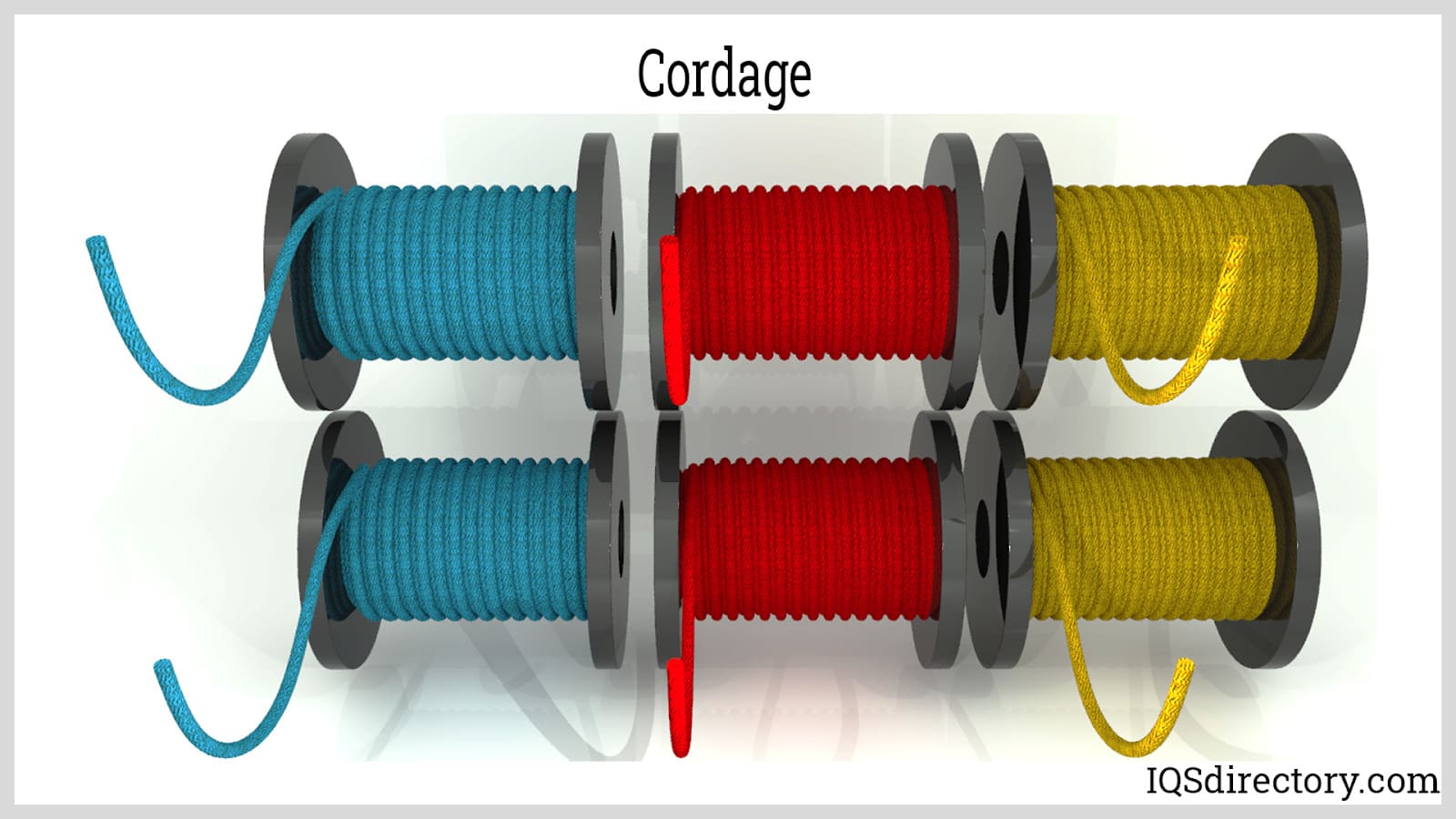
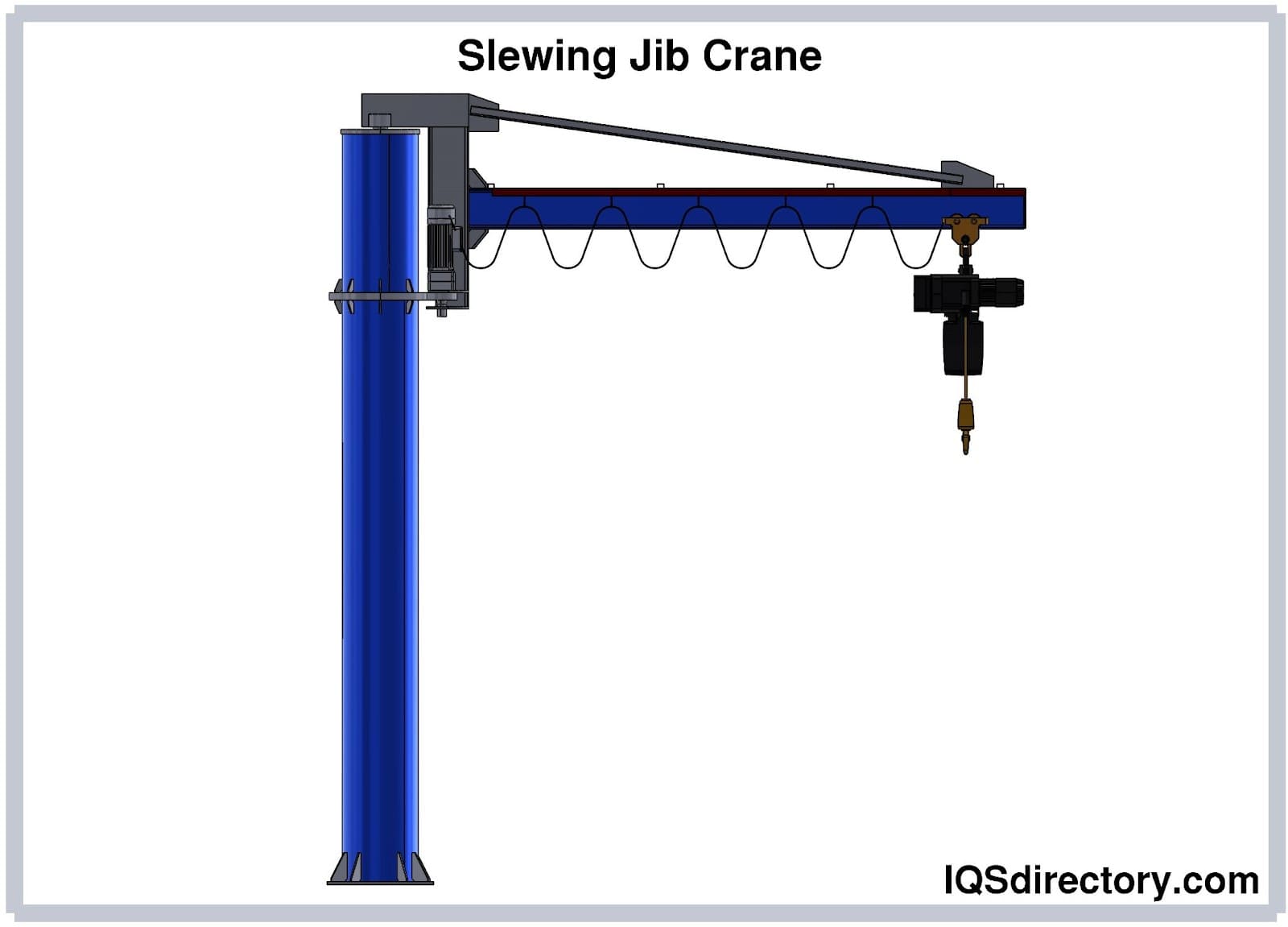
 Cranes
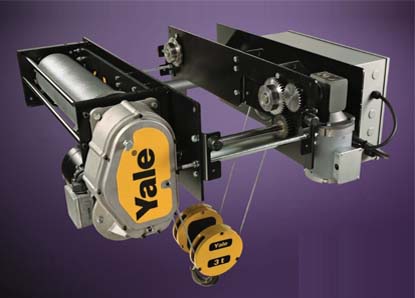 Electric Hoists
 Forklifts
 Hydraulic Lifts
 Rope
Rope Wire Rope
 Castings & Forgings
 Bulk Material Handling
 Electrical & Electronic Components
 Flow Instrumentation
 Hardware
 Material Handling Equipment
 Metal Cutting Services
 Metal Forming Services
 Metal Suppliers
 Motion Control Products
 Plant & Facility Equipment
 Plant & Facility Supplies
 Plastic Molding Processes
 Pumps & Valves
 Recycling Equipment
 Rubber Products & Services